honest always 💕 this post contains affiliate links (#ad #affiliate), which means i may earn a small commission if you shop through them, at no extra cost to you.
body care, value guide
how to fix post-summer hyperpigmentation, the ultimate active ingredient guide
the hyperpigmentation skincare routine, built for the marks summer leaves behind
the short version: if you put your brightening serum on straight after washing your face, you might be working against it, just not in the way you’ve probably heard. your skin does not “neutralize” vitamin c the second it meets water, that’s a myth. what actually goes wrong is quieter, and it’s the reason so many people do everything “right” and still watch their dark marks hang around.
freshly washed, damp skin lets more of a strong active through at once, which can sting, and irritation is one of the most common reasons a dark mark gets darker or refuses to leave. add a cleanser that throws your skin’s ph off for a while, the wrong layering order, and sunscreen that’s too thin, and you’ve got a hyperpigmentation skincare routine that’s busy but not effective. below is the fixed version, step by step, with the three actives that matter, vitamin c, niacinamide, and tranexamic acid, and how to layer them without the sting.
the problem
what summer actually left on your skin
heat and uv push your pigment cells to make extra melanin, and anything that irritates or injures your skin afterwards can leave its own dark mark behind. bug bites, a sunburn that peeled, razor bumps, a breakout on your back or chest, even a product that burned a little, all of it counts. which means one body can carry three different kinds of dark spot at the same time, and they don’t all respond to the same fixes.
post inflammatory hyperpigmentation vs sun spots vs melasma
| type | what it looks like | main trigger | what helps most |
|---|---|---|---|
| sun spots | small, well-defined tan to brown spots on sun-exposed skin | years of uv exposure | daily sunscreen first, then vitamin c |
| post inflammatory hyperpigmentation | flat marks shaped like whatever was there, a bite, a pimple, a scratch, a razor bump | inflammation or injury, including irritation from products | stop the trigger, gentle products, sunscreen, niacinamide, vitamin c |
| melasma | larger, symmetrical patches | hormones plus sun and heat | strict sun protection and a dermatologist’s plan, tranexamic acid has its best evidence here |
a new spot, a spot that’s growing, or one that’s changing in size, shape, or color is not a skincare problem, it’s a reason to get a skin check. a routine can’t tell you whether a mark is harmless, only a dermatologist can. if you’re ever unsure, book the appointment first and start the routine after. the aad’s melanoma page lists the warning signs to look for.
how long fading really takes
this is the part most dark spot content skips. once the trigger is gone, a spot that’s a few shades darker than your natural skin color usually fades within 6 to 12 months, and color that sits deeper, often slate blue or gray, can take years. active ingredients speed that up, but they don’t turn months into days. in the best-known niacinamide trial, visible improvement showed up after 4 weeks of consistent use, so expect a first change in about a month and real fading over the months after that. anything promising results in a week is selling you something.
the timing mistake
the wash-timing mistake that’s quietly costing you results
here’s the real story behind the cliffhanger, in three parts.
part one, washing does move your skin’s ph, but only briefly. your skin surface is slightly acidic, and washing nudges it up for a while before your skin pulls it back down. across 41 cleansers, skin ph rose by about 0.6 units after 30 seconds of washing and returned to baseline in around 36 minutes on average, and even in the worst case it recovered within 90 minutes. soap-style cleansers sit around ph 7 to 9 and disrupt it the most, while gentle non-soap cleansers sit much closer to your skin’s own range.
part two, that does not neutralize your vitamin c. what gets l-ascorbic acid into skin is the ph of the serum itself, it has to be formulated below ph 3.5 to enter the skin in the original pig-skin study that set the standard. so the question isn’t whether you waited for your skin to reset, it’s whether your serum is a true low-ph l-ascorbic acid formula and whether it’s still fresh.
part three, damp skin is the real problem. water makes the outer layer of your skin more permeable, which is wonderful for hydrating layers like the humectants in this breakdown of hyaluronic acid and beta-glucan, but not for acids. l-ascorbic acid is an acid, formulated at a low ph on purpose, so on damp skin the same dose lands harder and stings more. stinging skin is inflamed skin, and inflamed skin is exactly what leaves dark marks behind or keeps old ones from fading.
skin ph recovers on its own within about an hour, vitamin c absorbs based on the serum’s own ph, and damp skin turns up the strength and the sting of acid-based actives. so the fix isn’t waiting for some reset, it’s cleansing gently, patting dry, and putting the acid-based active on skin that’s actually dry. this is a formulation explanation, not medical advice, and this post is written from an evidence-based, not-a-dermatologist approach.
the three-part fix
- cleanse gently: a non-soap cleanser, lukewarm water, no scrubbing, and no loofah on marks, friction is irritation too.
- pat dry and wait: give your skin a few minutes until it no longer feels damp before any acid-based active. hydrating layers like hyaluronic acid and beta-glucan are the exception, those go on damp.
- acid first, calm layers second: vitamin c goes on dry skin first, then your gentler layers go on top.
the actives
the three actives that actually matter, and how to use each one
any hyperpigmentation treatment that works is doing one of three jobs, slowing how much pigment gets made, stopping pigment from reaching the surface, or protecting the area you’re fading from new damage. these three cover all of it, and the sunscreen section further down covers the protection side.
vitamin c, the antioxidant
- what to look for: l-ascorbic acid at roughly 10 to 20 percent, in a low-ph formula, in dark or opaque packaging. absorption maxed out at 20 percent in the original study, so a higher number isn’t better, it’s just more irritating.
- consistency beats intensity: skin levels of l-ascorbic acid saturated after three daily applications and then fell off with a half-life of about four days, so skipping days costs you. daily use wins over occasional “treatment nights.”
- spoilage check: if your serum turns dark orange or brown, it has oxidized, replace it, don’t keep using it.
- when: morning, on dry skin, under sunscreen. the american academy of dermatology lists vitamin c among the over-the-counter ingredients that can fade existing dark spots.
- if it stings: start every other day, or look at azelaic acid, which sits on that same aad list.
niacinamide, the traffic cop
- what it does: it blocks pigment from being transferred from your pigment cells to your surface skin cells. in a lab model it cut that transfer by 35 to 68 percent, and in an 18-person trial a 5 percent niacinamide moisturizer visibly reduced hyperpigmentation compared with a plain moisturizer after 4 weeks.
- what to look for: 2 to 5 percent, those are the strengths used in the trials.
- why it suits post inflammatory marks: it also has anti-inflammatory activity, which matters when inflammation is what caused the mark in the first place.
- when: morning, night, or both, it’s one of the easiest actives to fit around everything else.
tranexamic acid, the specialist
- the honest evidence: its strongest evidence is in melasma. a meta-analysis of 11 studies and 667 people found it lowered melasma severity scores, alone or added to routine treatment, with only minor side effects like transient skin irritation.
- the catch: results for topical tranexamic acid are more mixed than for the oral version. one study of 2 percent topical formulas flagged poor delivery into the skin, while newer trials report topical benefit. for sun spots and post inflammatory marks the evidence is thinner still.
- how to use it: treat it as a supporting actor, not the lead. it layers easily and it’s gentle, which makes it a good night step.
- ask first if: you’re pregnant or nursing, you take blood thinners, or you have any clotting condition, check with your doctor before adding it, even topically.
one honest note, the aad’s over-the-counter list names azelaic acid, glycolic acid, kojic acid, retinoids, and vitamin c, it doesn’t name niacinamide or tranexamic acid. both have real research behind them, but the aad list is the more conservative one, which is why vitamin c and sunscreen are the anchors of this routine and the other two are the support.
how to layer them without the sting
- vitamin c with niacinamide: they’re commonly formulated together, and if your skin stings when you layer them back to back, split them, vitamin c in the morning, niacinamide at night.
- vitamin c with tranexamic acid: fine together, vitamin c first on dry skin, then tranexamic acid.
- all three: do not start all three on the same day. add one active every one to two weeks, because if you start together you won’t know which one irritated you.
- exfoliating acids: never on the same night as vitamin c, and never more than once or twice a week, over-exfoliating is just another way to inflame your skin.
the routine
your hyperpigmentation skincare routine, morning and night
| step | morning | night |
|---|---|---|
| 1. cleanse | gentle non-soap cleanser, lukewarm water | double cleanse if you wore sunscreen or makeup, then your gentle cleanser |
| 2. pat dry and wait | until your skin no longer feels damp | same, except hydrating layers |
| 3. treat | vitamin c serum (l-ascorbic acid) on dry skin | tranexamic acid serum, then niacinamide |
| 4. moisturize | the day layer, an antioxidant moisturizer | the night gatekeeper, a fragrance-free barrier lotion |
| 5. protect | spf 30 or higher, broad spectrum, one ounce for your body | nothing to add, but cleanse the sunscreen off properly |
| 6. once or twice a week | nothing extra | a gentle exfoliant night in place of step 3, never with vitamin c |
if you’re double cleansing at night, the oil-then-foam routine in this j-beauty budget breakdown is a gentle way to take sunscreen off without stripping your skin.
a note for big body areas: serums are expensive per square inch, so keep them for your face and your most stubborn spots, and let your lotions do the large-area work. that’s exactly why the two staples below are body lotions, not serums.
if you’d rather have this as one plan you can keep and follow, the pigmentation fix is the longer version of everything in this post.
hyperpigmentation spf, the step that decides whether any of this works
dermatologists are consistent about this, effective dark spot treatment begins with sunscreen, and used daily it can prevent new spots and help clear existing ones. look for spf 30 or higher, broad spectrum, and water resistant. for the face, the aad specifically points to a tinted sunscreen with iron oxide, because iron oxide protects against visible light, which can also trigger dark spots. check for it in the inactive ingredients list, it’s listed there because it isn’t a uv filter.
the amount matters as much as the number. you need about one ounce, roughly a shot glass, for your whole body, applied to dry skin around 15 minutes before you head out, and reapplied every two hours and after swimming or sweating. a wide-brimmed hat helps too. if you want to understand why some sunscreens feel so much lighter than others, and which ones suit oily, dry, or sensitive skin, this korean sunscreen breakdown goes through it.
skin-lightening creams sold without a clear ingredient list can contain steroids or mercury that aren’t on the label. the steroids can thin and permanently discolor your skin, and mercury is a genuine health risk. stick to products from brands you can verify, or ones your dermatologist recommends, and never put liquid bleach on your skin, ever.
the staples
skincare products for hyperpigmentation, the two body staples
these two aren’t treatments, they’re the supporting layers around your actives, one antioxidant layer for the day and one barrier layer for the night. a calm skin barrier means fewer irritation marks, so the night one matters more than it looks. if you’re not a prime member yet, you can start a free trial here before you order.
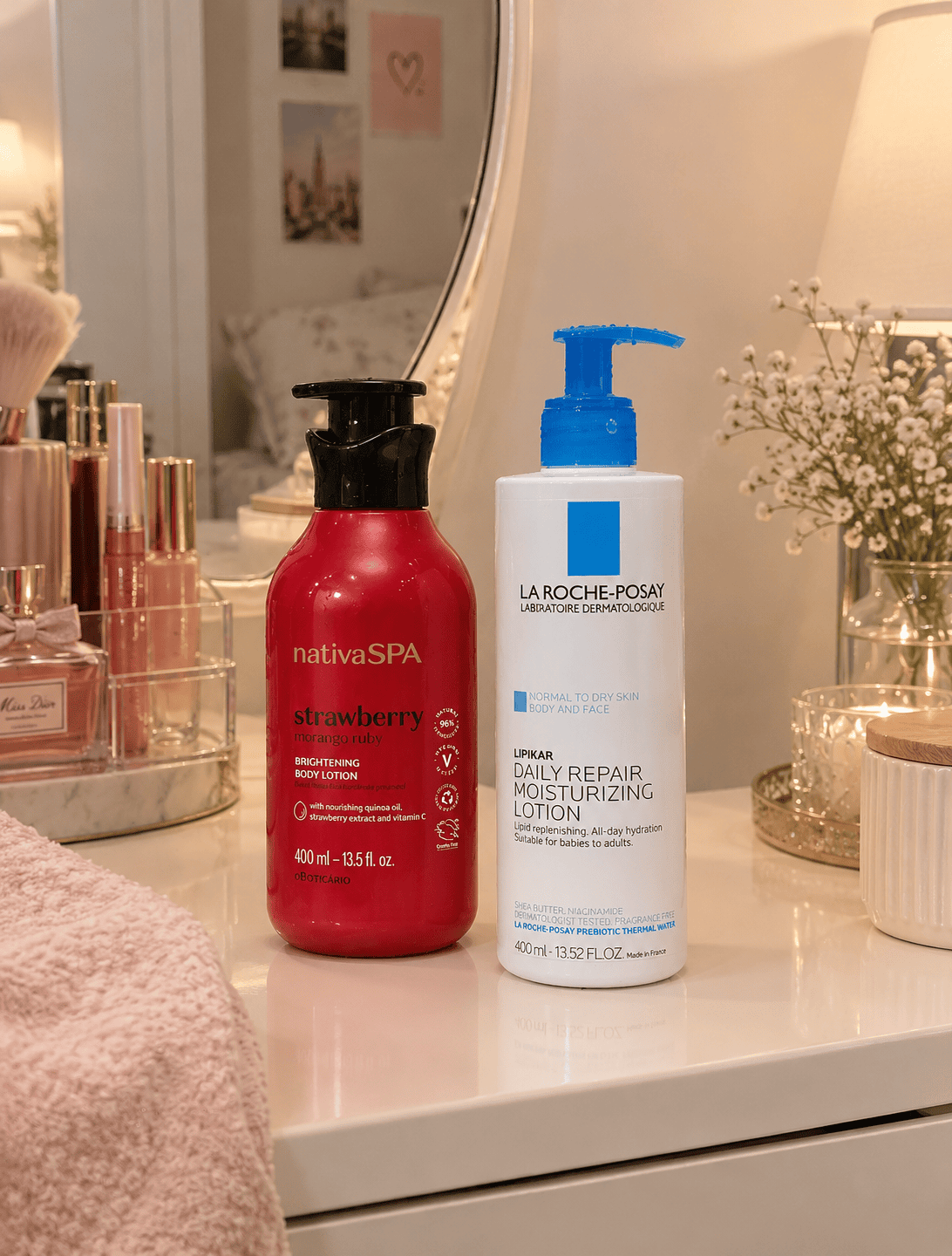
nativa spa ruby strawberry hydrating body lotion, 13.5 oz
amazon
radiance
daytime body lotion
hyperpigmentation skincare routine
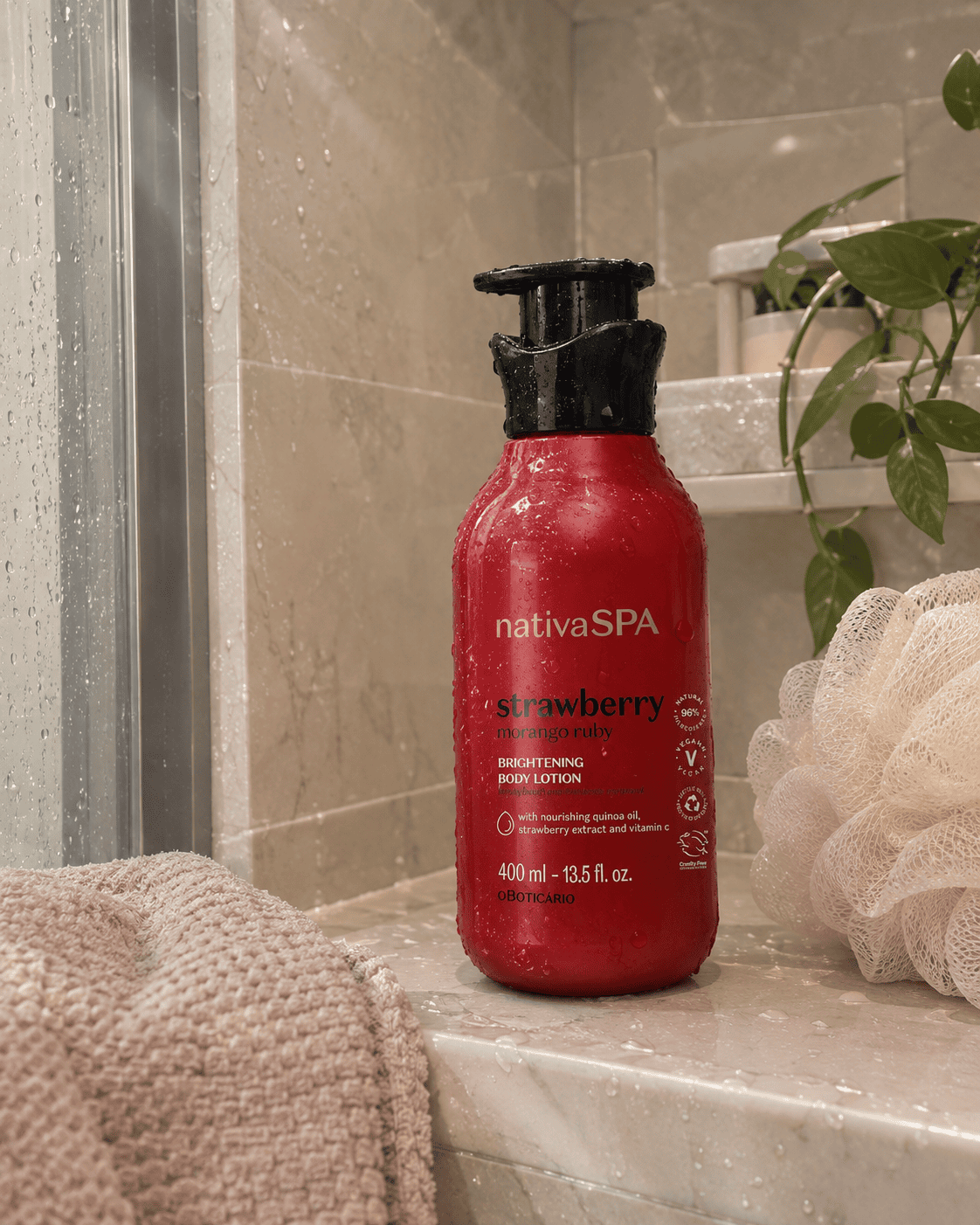
who’s behind it: o boticário was founded in 1977 in curitiba, brazil, and grew into one of the largest beauty franchise networks in the world, it’s been sold in the us since 2017, and nativa spa is its body-care line. this isn’t a trendy newcomer, it’s a very established brand.
what it does for you: the lotion is built around strawberry’s natural vitamin c for a brighter, more radiant look, and it’s the antioxidant layer that goes on your body after your treatment steps. keep your expectations honest, it’s a radiance moisturizer, not a dark spot treatment, and it is not sunscreen, so spf always goes over it.
$31.00 for 13.5 oz works out to about $2.30 an ounce, enough to cover your whole body daily
normal to dry skin, anyone who wants a nice-to-use daytime lotion with antioxidant support
la roche-posay lipikar moisturizing body lotion, 13.52 fl oz
amazon’s choice
10k+ bought last month
barrier support
sensitive skin
hyperpigmentation skincare routine
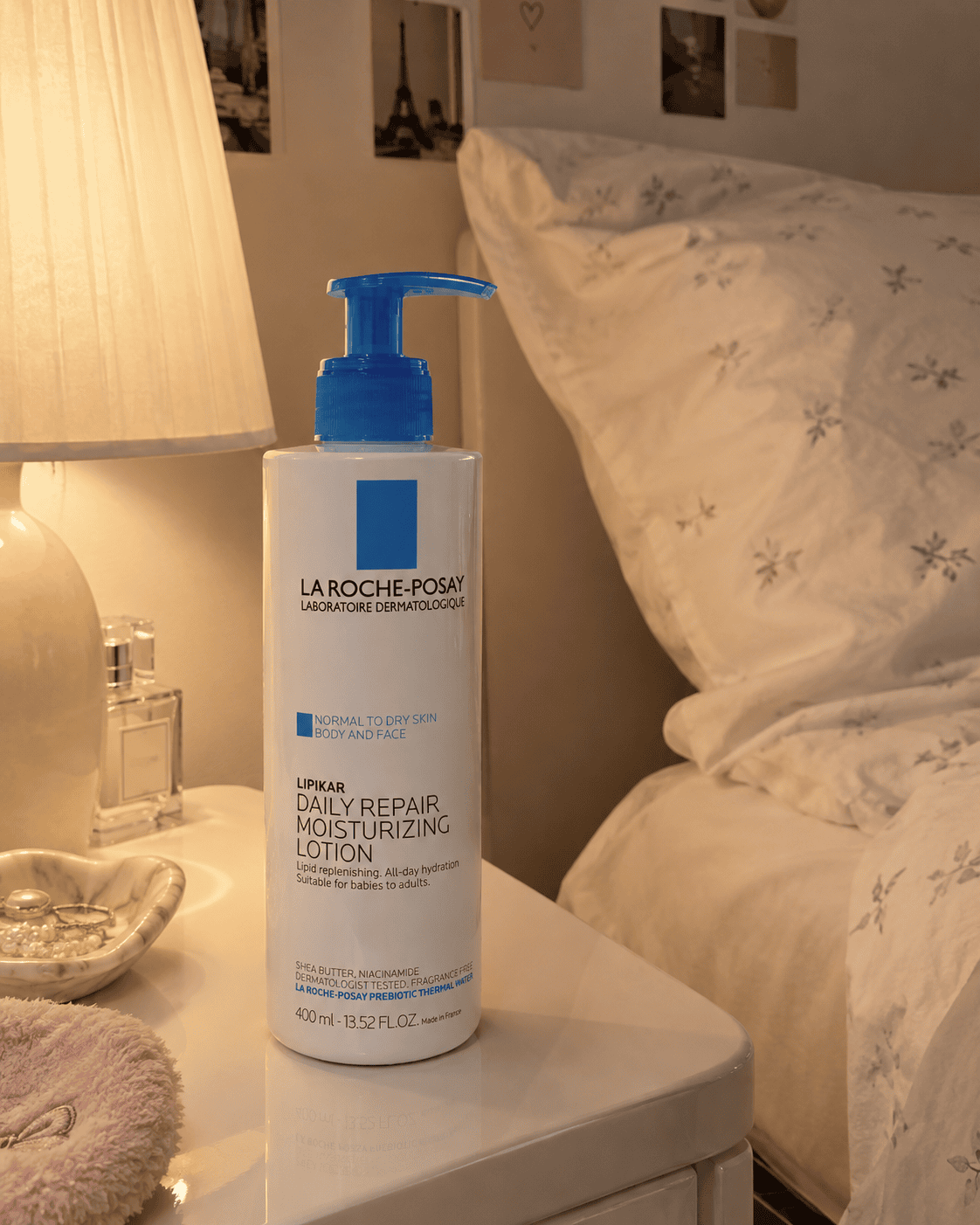
why it earns the night slot: irritation is one of the biggest reasons dark marks form and stick around, which is why gentle, fragrance-free products are the standard advice for anyone fading dark spots. this lotion is fragrance-free and built on shea butter and glycerin, with niacinamide in the formula too. niacinamide is listed sixth in the ingredients, so think of it as a helpful passenger in a barrier lotion, not a treatment-strength dose.
when it matters most: dry air makes barrier support work harder, the same low-humidity problem covered in the fall hyaluronic acid post. put it on after your night actives and after shaving, and it gives your skin the calm, sealed-in conditions it needs to fade marks instead of making new ones.
$20.99 for 13.52 oz works out to about $1.55 an ounce, and the list price is $22.99
dry, sensitive, or easily irritated skin, and the hours after shaving or exfoliating
when it isn’t working
how to get rid of hyperpigmentation without making it worse
| what you notice | likely reason | what to change |
|---|---|---|
| stinging or redness right after applying | damp skin, too many actives, or too strong a concentration | pat dry first, drop to every other night, add one active at a time |
| marks look darker after starting | irritation or sun exposure, both can darken pigment | pause strong actives, add the barrier lotion, wear sunscreen daily |
| no change after 4 weeks | too early, a thin sunscreen layer, or deeper pigment | give any new routine 8 to 12 weeks, check how much sunscreen you’re really using, deeper marks take months or longer |
| your vitamin c turned orange or brown | it has oxidized | replace it and keep it away from heat and light |
| new spots keep appearing | the trigger is still active, razor bumps, friction, breakouts, or sun | treat the cause first, the spots can’t fade while new ones form |
| one symmetrical patch won’t move | it could be melasma | see a dermatologist, it often needs a prescription plan |
when to see a dermatologist
- any new, growing, or changing spot, before you treat it
- patches that are symmetrical and darken with sun or hormonal changes, which can point to melasma
- color that looks slate blue or gray, which sits deeper and is harder to fade
- no improvement after a few months of consistent use, you may need a prescription-strength treatment
questions
hyperpigmentation skincare routine, frequently asked questions
q. what is the best hyperpigmentation skincare routine?
a gentle cleanse, then vitamin c on dry skin in the morning, niacinamide and optionally tranexamic acid at night, a moisturizer, and a daily spf 30 or higher broad spectrum sunscreen. sunscreen is the anchor, because without it new marks keep forming.
q. does washing my face first make vitamin c less effective?
no, washing raises skin ph briefly and it returns to baseline within about an hour, and vitamin c absorption depends on the serum’s own ph. the real issue is damp skin, which lets acids through more strongly and can cause stinging, so pat dry first.
q. can i layer vitamin c, niacinamide, and tranexamic acid together?
yes, they’re commonly used in the same routine, put vitamin c on dry skin first, then the others. if your skin stings, split them between morning and night, and add one active at a time so you can tell which one is the problem.
q. should i apply serums to wet or dry skin?
hydrating serums like hyaluronic acid and beta-glucan work best on damp skin. acid-based actives like l-ascorbic acid and exfoliating acids are better on dry skin, because damp skin increases how strongly they land and can cause irritation.
q. how long does hyperpigmentation take to fade?
once the cause is gone, a mark a few shades darker than your natural skin color usually fades within 6 to 12 months, and deeper pigment can take years. you may see early changes around 4 weeks with consistent use, and treatment speeds the process up.
q. is a body lotion with vitamin c enough to fade dark spots?
no, a vitamin c body lotion supports radiance and antioxidant protection, but it isn’t a dark spot treatment. for marks you want to fade, pair it with daily sunscreen and targeted actives like a vitamin c serum or niacinamide.
q. do i need sunscreen on my body to fade hyperpigmentation?
yes, any exposed skin with dark marks needs it. use spf 30 or higher, broad spectrum, about one ounce for your whole body, and reapply every two hours outdoors, otherwise sun exposure keeps re-triggering the pigment you’re trying to fade.
q. when should i see a dermatologist about dark spots?
see one for any new, growing, or changing spot, for symmetrical patches that could be melasma, for gray or slate-blue discoloration, or if months of consistent use haven’t helped, you may need a prescription-strength treatment.
- pinnell et al., topical l-ascorbic acid: percutaneous absorption studies, dermatologic surgery, 2001
- hakozaki et al., the effect of niacinamide on reducing cutaneous pigmentation and suppression of melanosome transfer, british journal of dermatology, 2002
- kim et al., efficacy and safety of tranexamic acid in melasma, a meta-analysis and systematic review, acta dermato-venereologica, 2017
- tyebkhan, a study on the ph of commonly used soaps and cleansers, indian journal of dermatology, venereology and leprology, 2001
- american academy of dermatology, how to fade dark spots
- american academy of dermatology, how to select a sunscreen
want the full plan for fading your dark marks?
the pigmentation fix is a free download that puts everything in this post into one step-by-step plan you can follow, no guesswork, no sting.