korean skin barrier repair routine, the full 2026 guide
your skin is suddenly sensitive to products it used to love. it stings when you apply toner. it’s dry no matter how much moisturiser you put on. that’s not a “new skin phase,” that’s a damaged skin barrier. here’s the korean way to fix it, properly, with the right products and no guessing.
if you have been in skincare long enough, you have probably had this experience, one day your skin just turns on you. products that worked for months suddenly sting. your routine feels like it’s doing nothing. your skin is simultaneously oily and flaky. you breakout even though you are eating well and sleeping fine. you add more products, switch serums, try a new toner, and somehow your skin just gets worse.
this is not a mystery skin condition. it is almost certainly a damaged skin barrier, and it is the single most common skincare problem that goes undiagnosed because people do not know they are making it worse with every step of their existing routine.
korean skincare has had the right answer to skin barrier repair for decades. the approach is clinically logical, strip the routine down to the minimum, use ingredients with a proven record of barrier support, avoid everything irritating, and let your skin rebuild itself while you protect the process. this guide is the complete version of that, what a compromised barrier actually is, how to recognise it, and the exact step-by-step korean barrier repair routine with product links and honest notes on every recommendation, including which skin barrier repair products are actually worth buying and which ones are just marketing.
this post contains affiliate links to amazon. if you buy through them i earn a small commission at no extra cost to you. all prices in usd. all brands korean-verified. honest always. 💕
science, simply
what is the skin barrier, and what happens when it’s damaged?
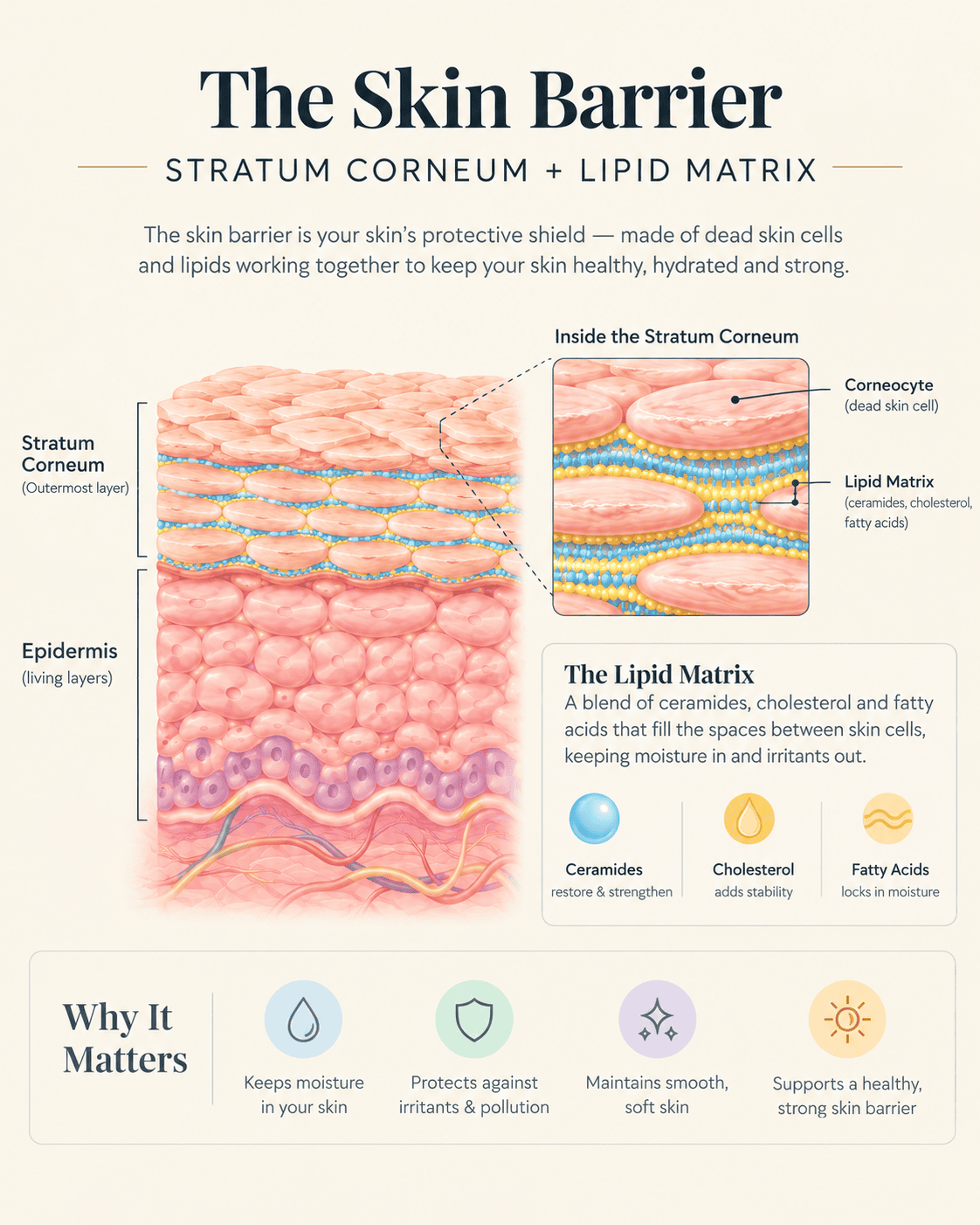
the skin barrier is a lipid-and-protein lattice, when the structure breaks down, anything gets through.
your skin barrier, formally called the stratum corneum, is the outermost layer of your skin. think of it like a brick wall, the skin cells (corneocytes) are the bricks, and a lipid matrix made of ceramides, cholesterol, and fatty acids is the mortar. this wall has one critical job, to keep water in and irritants out. when it is intact, your skin stays hydrated, calm, and resilient. when the lipid mortar degrades, whether through over-exfoliation, harsh surfactants, uv damage, or simply genetic predisposition, the wall develops gaps.
those gaps mean two things happen simultaneously, your skin starts losing water transepidermal water loss (TEWL))or tewl, increases) and external irritants, pollution, bacteria, allergens, even the fragrance in your toner, can now penetrate into layers they were never supposed to reach. your immune system responds by triggering inflammation. that inflammation is what you experience as stinging, redness, and sudden sensitivity.
the skin’s natural pH sits between 4.5 and 5.5, slightly acidic. this “acid mantle” is part of what keeps the barrier healthy and controls the microbiome. anything above pH 7 (most bar soaps, many western cleansers) disrupts this pH, destabilises the lipid matrix, and is one of the fastest ways to damage your barrier. this is why pH is so central to korean skincare.
how to tell
signs your skin barrier is compromised
the tricky thing about a damaged barrier is that it mimics about six other skin conditions, dehydration, allergy, hormonal acne, rosacea, eczema. here is how to recognise barrier damage specifically:
apply your usual water-based toner to a small area of your cheek. if it stings within 30 seconds, your barrier is compromised. healthy, intact skin should be able to absorb hydrating toner with no sensation whatsoever.
root causes
what causes skin barrier damage?
understanding the cause matters because it tells you what to stop doing, not just what to start. the most common causes, in order of frequency:
pause these now
what to stop using immediately
before you add a single new product to your routine, you need to strip it back. this is the part most people skip, and why their skin does not improve even when they buy the “right” barrier repair products.
reintroduce actives one at a time, at the lowest concentration, and only once your skin has been stable with zero stinging for at least a week. reintroducing everything at once is how people re-damage a barrier they just spent weeks repairing.
the routine
the 5-step korean skin barrier repair routine
am + pm · preserves acid mantle , Step 1 of your korean skin barrier repair routine
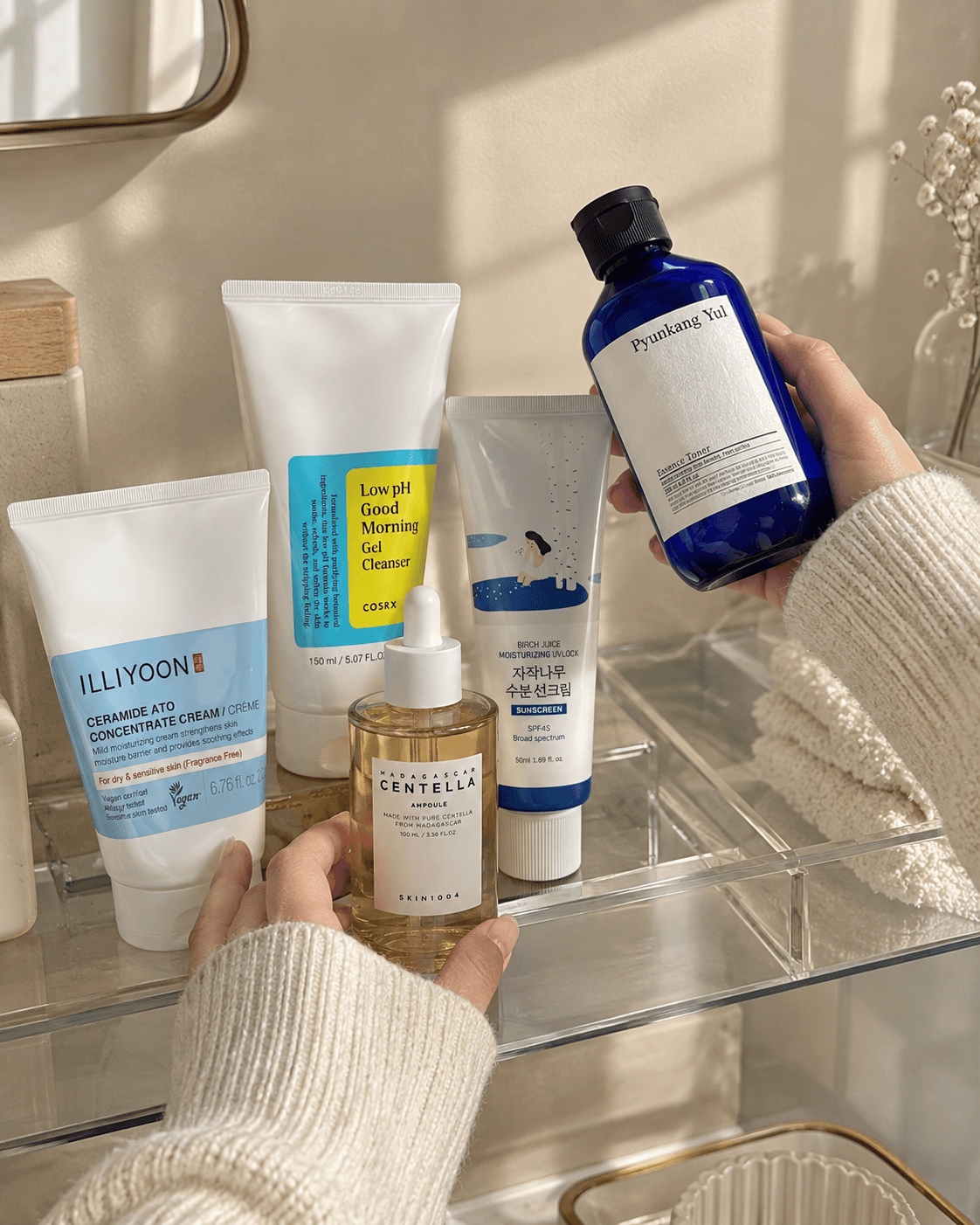
the first step in barrier repair is the most overlooked. if your cleanser strips your acid mantle every single time you wash your face, nothing you apply afterward can fully compensate. what you actually need here is a gentle cleanser for skin barrier repair specifically, a low pH formula (5.0 to 6.5) that keeps the skin’s surface at the acidity it needs to maintain its own defenses.
a whipped, low-foam cleanser built specifically around the pH-balancing philosophy, formulated with madecassoside and panthenol so it cleanses without adding to the irritation it’s meant to prevent.
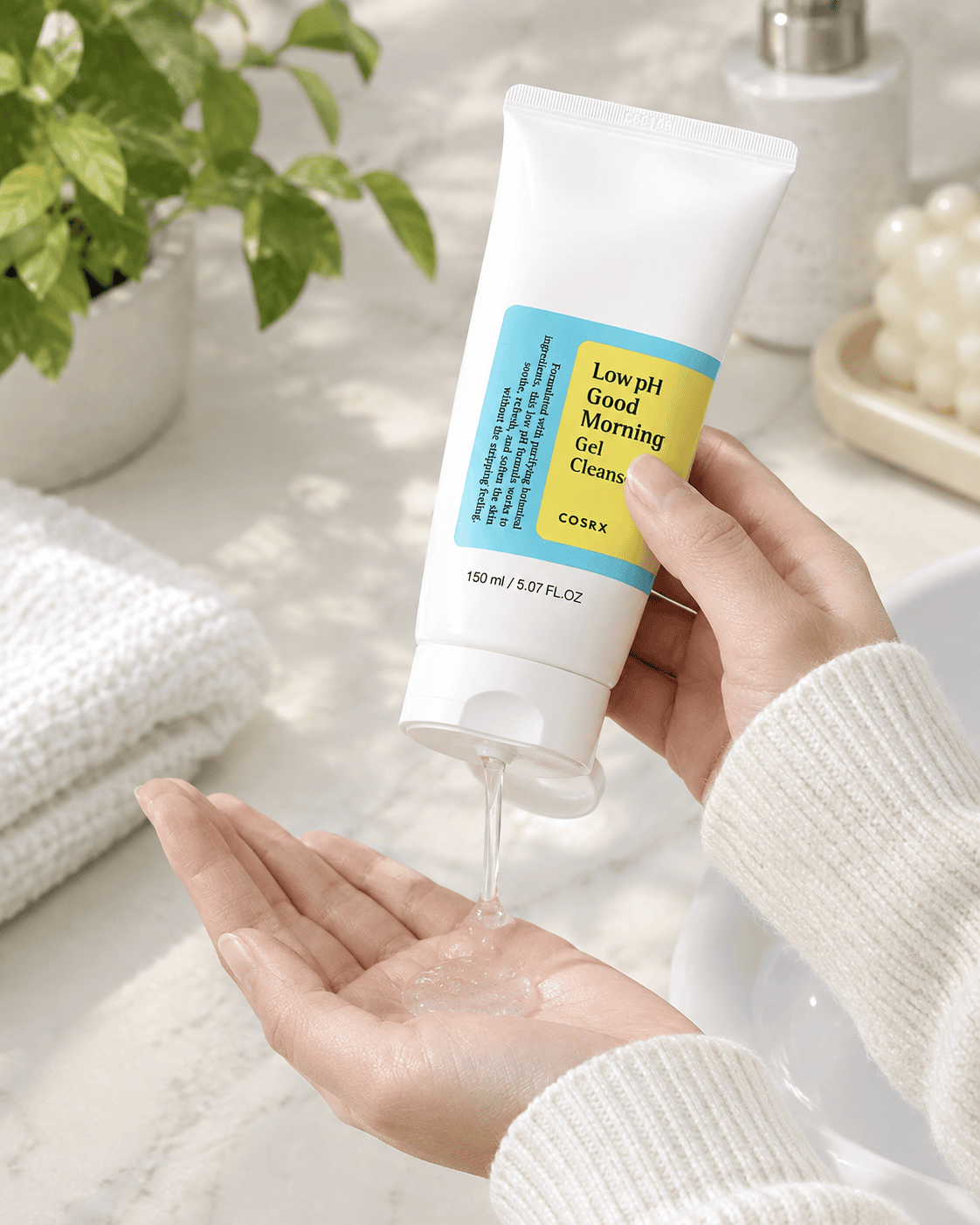
a gentler, gel-based alternative, low-foam and pH-balanced, tea tree included for a light sebum-control effect without stripping. a good pick if you also need help managing oil while repairing your barrier.
am + pm · replenish, minimal ingredients
this step should be a concentrated essence toner with a short, minimal ingredient list, no active exfoliants, no fragrance. its only job is to replenish lost moisture and prep skin for the ampoule step.
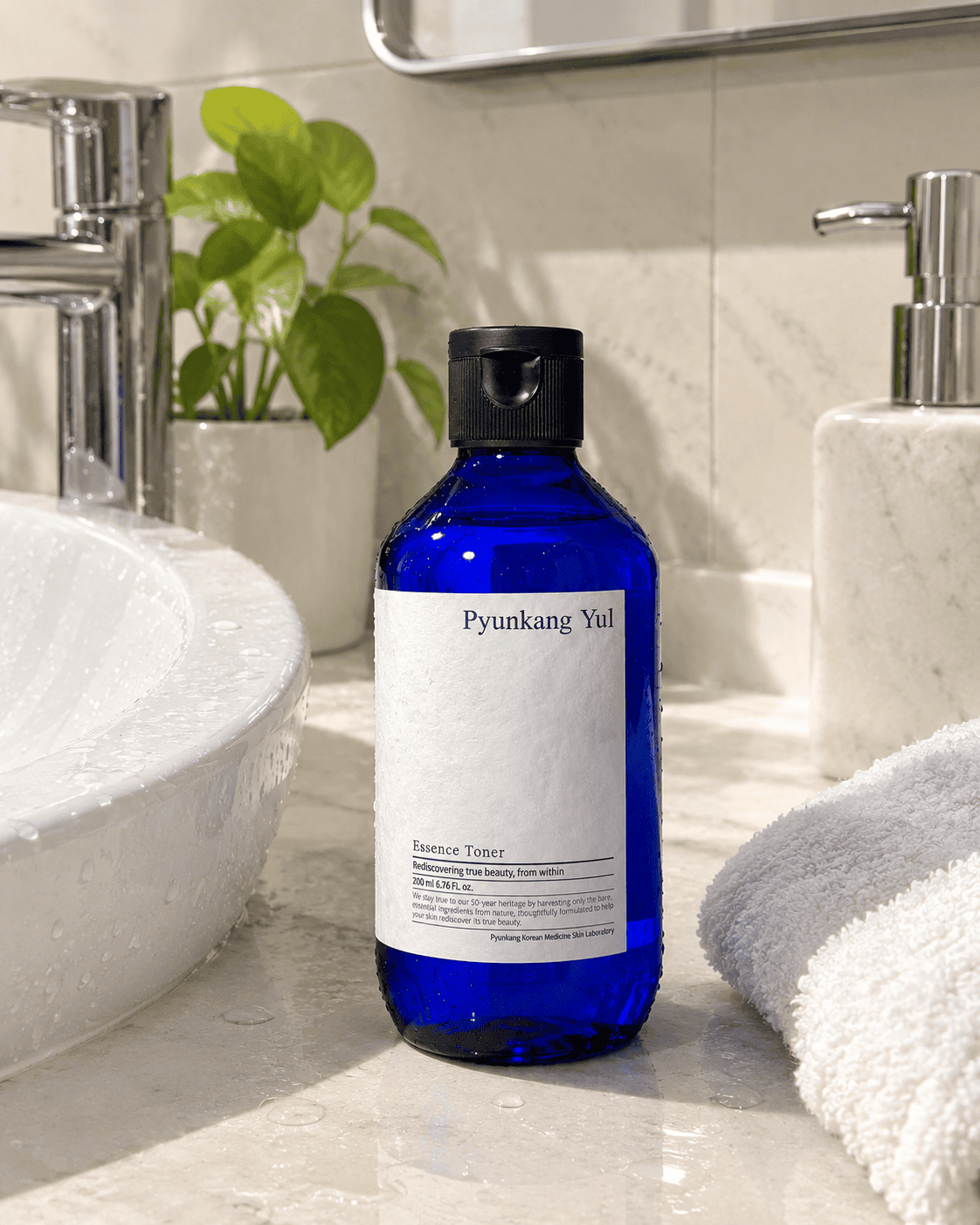
an extremely short ingredient list built around hydration first, nothing here to reignite sensitivity while your barrier is actively rebuilding.
the same minimal, hydration-first approach as pyunkang yul above, with green tea’s light astringent quality for oily or combination skin that still needs gentleness during repair.
am + pm · active soothing, cell repair
centella asiatica ampoules are the active soothing step in this routine, they actively calm inflammation rather than just sitting on top of irritated skin.
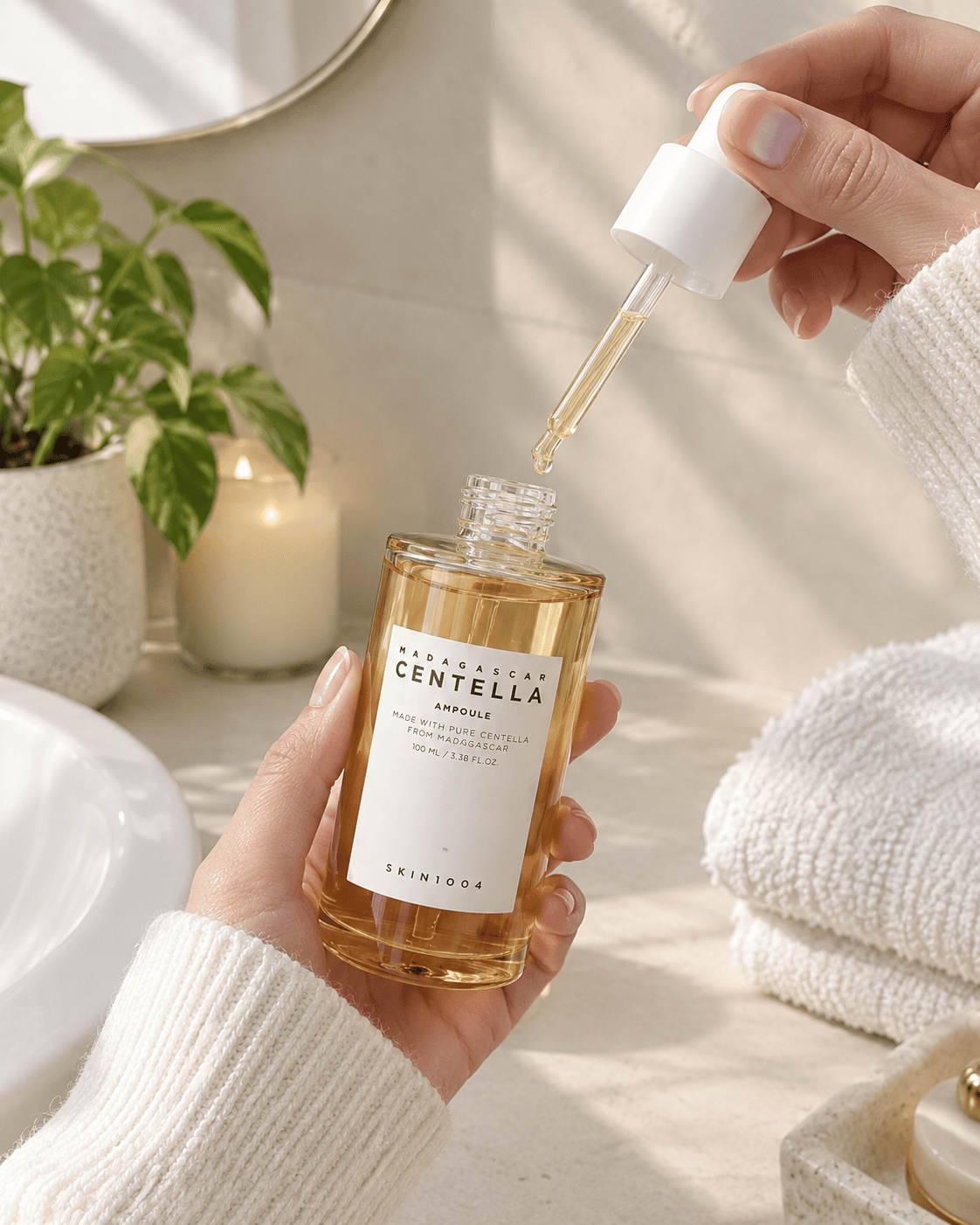
this is the same centella ampoule we cover in our dedicated skin barrier repair product comparison, it’s an anti-inflammatory first aid step, not a structural rebuild, madecassoside and asiaticoside calm visible redness fast, watery texture, layers under anything without pilling.
apply the ampoule after your toner is 70 to 80% absorbed, not bone dry. on slightly damp skin, the centella actives penetrate more efficiently. use 3 to 4 drops, press gently into skin, do not rub, and wait 60 seconds before your moisturiser.
am + pm · ceramide + lipid repair, occlusive seal
the moisturiser in a barrier repair routine has a different job to the moisturiser in a maintenance routine. what you’re actually looking for here is a genuine skin barrier repair cream, not just a moisturizer, one that replenishes the lipid matrix, specifically ceramides, the primary component of the mortar between your skin cells. a lightweight gel moisturiser will not cut it during active repair. there are two excellent skin barrier repair moisturizer options here with meaningfully different profiles.
maximum occlusion, 100hr hydration claim, body-safe, infant-grade gentleness.
madecassoside + panthenol formula targets both barrier repair and active inflammation.
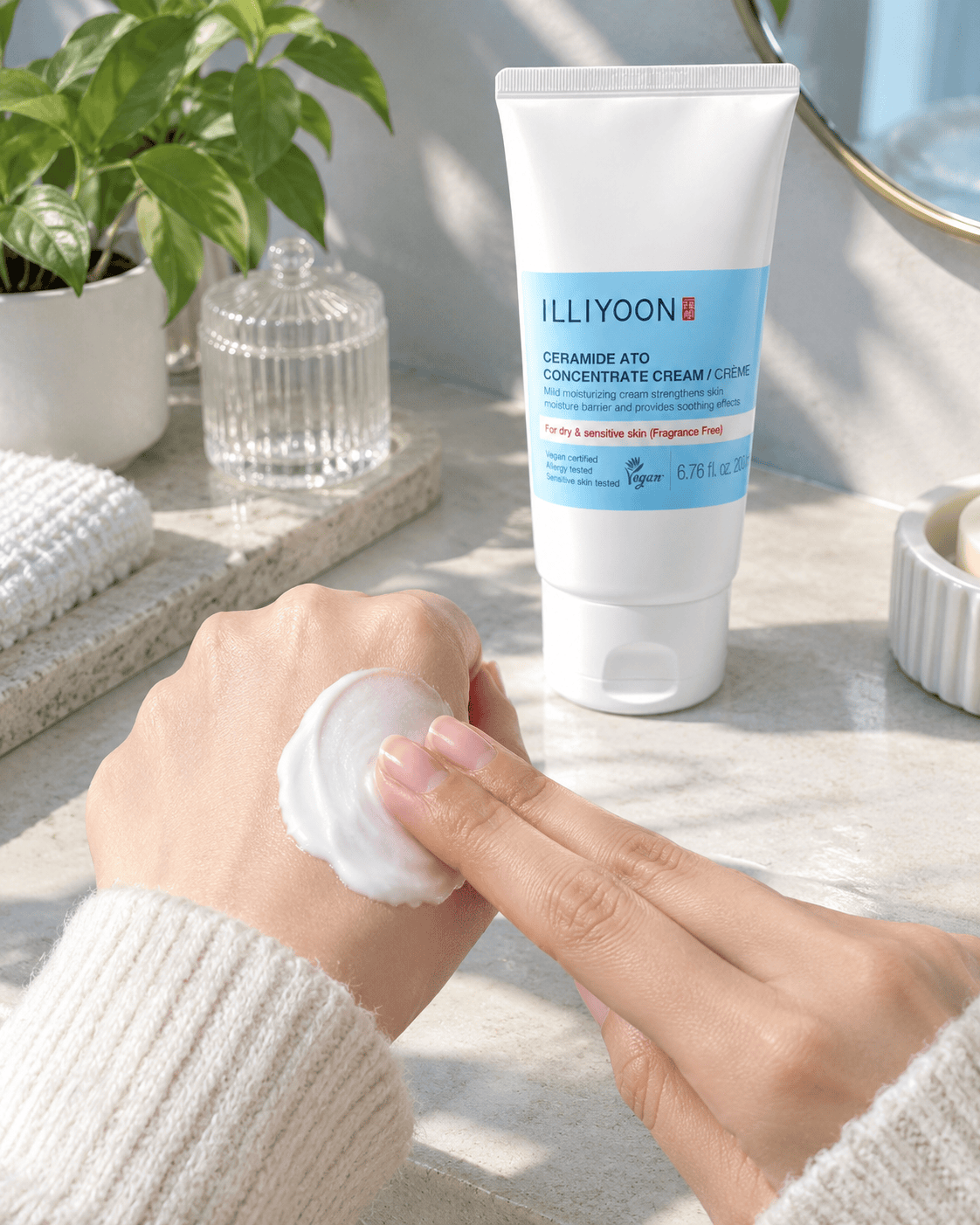
illiyoon is an amorepacific sub-brand specifically developed for eczema and atopic dermatitis, conditions that are essentially extreme versions of the barrier damage most skincare users experience. certified safe for infants, which signals its irritant profile clearly. dense, rich texture that needs to be pressed in, providing a protective film that reduces overnight tewl. if your barrier damage is severe, start here.
pairs madecassoside with panthenol in a pH-balanced base, the same two hero ingredients from the soonjung cleanser, now concentrated. the madecassoside adds an active repair function beyond just occlusion. lighter than the illiyoon, a better daily-wear option if you don’t want heavy residue. hypoallergenic and pH-balanced.
yes, and this is actually an excellent strategy during active repair. apply the etude soonjung 2x intensive cream first, its madecassoside goes to work while it absorbs, then apply a small amount of the illiyoon ceramide cream on top as an occlusive final layer. this technique is sometimes called “slugging light” and it maximises both active repair and moisture lock-in overnight.
am only · uv protection = barrier protection
spf during barrier repair is not optional, it is structural. uv radiation is one of the most significant drivers of ceramide degradation in the skin. a fragrance-free sunscreen that sits lightly on compromised skin is what you need.
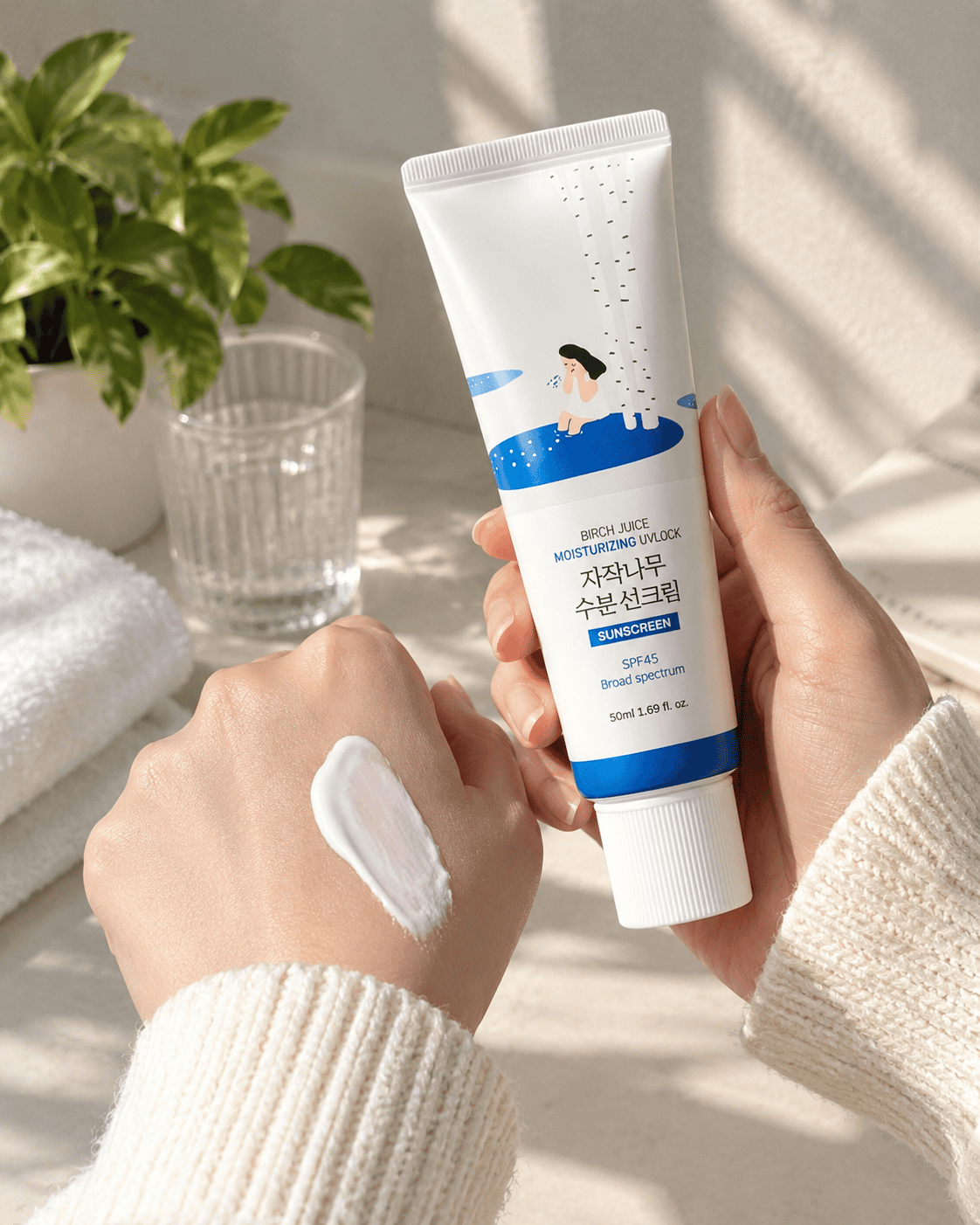
round lab is one of the most trusted korean sunscreen brands for sensitive, compromised skin. the birch juice formula uses birch sap, rich in amino acids, minerals, and beta-glucan, with documented skin-calming properties. lightweight, zero white cast, fragrance-free, which is non-negotiable during barrier repair. spf 45 covers all meaningful daily uv exposure, and a sunscreen you’ll actually wear every day beats a higher spf you eventually stop applying.
Quick Summary
Your Complete Korean Skin Barrier Repair Routine Matrix
here’s every product from the routine above in one place, this is genuinely the best skin barrier repair products lineup for barrier repair skin specifically, not a general “good for everyone” list.
| step | product | key function | buy |
|---|---|---|---|
| 1 · cleanser | cosrx low ph gel cleanser or etude soonjung ph 6.5 whip cleanser | preserves acid mantle, no stripping | link ↗ link ↗ |
| 2 · toner | pyunkang yul essence toner or isntree green tea toner (oily skin) | deep moisture, minimal irritants | link ↗ link ↗ |
| 3 · serum | skin1004 madagascar centella ampoule | active repair, madecassoside, soothing | link ↗ |
| 4 · cream | illiyoon ceramide ato cream or etude soonjung 2x intensive cream | lipid replenishment, tewl reduction, occlusion | link ↗ link ↗ |
| 5 · spf (am) | round lab birch juice spf 45 | uv protection prevents ceramide degradation | link ↗ |
what to expect
The Korean Skin Barrier Repair Routine Healing Timeline
barrier repair is not overnight, but it is predictable if you follow the routine consistently. here is a realistic timeline based on what most people experience:
days 1 to 3
your skin may feel worse before it feels better. this is normal, removing actives and exfoliants causes a temporary adjustment period where the skin recalibrates its sebum production and pH. stinging may persist. do not add anything new. follow the routine exactly.
week 1
stinging on application should reduce significantly. redness and tightness begin to calm. the skin may still look dull or slightly uneven, this is the surface layer shedding naturally. do not exfoliate to speed this up.
week 2
for most people this is when the visible shift happens. skin starts looking more settled, less red. toner stops stinging. texture begins to smooth. you may be tempted to reintroduce actives here, it is too early. wait.
weeks 3 to 4
skin tone evens. sensitivity continues to reduce. if your barrier damage was from over-exfoliation, this is when the glow returns, because your skin cells are turning over at their natural rate. run the toner-sting test, if there is zero stinging, your barrier is on its way.
week 6 to 8
full baseline recovery for most skin types. you can now begin reintroducing actives, one at a time, at the lowest concentration, twice a week maximum. start with niacinamide before attempting retinol or aha again.
if you have followed this routine strictly for three weeks, no actives, no fragrance, no hot water, and your skin has not improved or has gotten worse, this is the point to see a dermatologist. there may be an underlying condition (contact dermatitis, seborrheic dermatitis, perioral dermatitis, or rosacea) that requires a different treatment approach.
people also ask
frequently asked questions
q. what are the signs of a damaged skin barrier?
common signs include sudden sensitivity to products that never bothered you before, persistent redness or flushing, tightness and flakiness even after moisturising, stinging when applying water-based products, recurring breakouts that do not resolve normally, and a dull or rough skin texture. if toner stings, your barrier is compromised.
q. how long does it take to repair a damaged skin barrier?
most people see meaningful improvement in 2 to 4 weeks with a consistent barrier repair routine. full repair, where your skin returns to its baseline sensitivity, typically takes 4 to 8 weeks depending on how compromised the barrier is and how long it has been damaged before you started repairing it.
q. can i use retinol or aha/bha while repairing my skin barrier?
no. during active barrier repair, stop all exfoliants (aha, bha, pha), retinol, vitamin C, and any other active-heavy treatments. these all require an intact barrier to be tolerated safely. reintroduce them slowly, one at a time, after your skin has been consistently stable, no stinging, for at least one week.
q. what korean ingredients repair the skin barrier?
the most evidence-backed barrier repair ingredients in k-beauty are ceramides (replenish the lipid matrix), panthenol / vitamin b5 (anti-inflammatory, moisture binding), madecassoside from centella asiatica (wound healing, collagen synthesis support), beta-glucan (calming, deep hydration), and any formula with a pH between 4.5 and 6.5 that respects the acid mantle.
q. is the korean skin barrier repair routine suitable for acne-prone skin?
yes, and a damaged barrier is often a root cause of adult acne. when the barrier is compromised, bacteria penetrate more easily and sebum production spikes as a compensatory response. all products in this routine are non-comedogenic and specifically chosen for sensitive or acne-prone skin types. the routine will not clear acne actively, but repairing the barrier often reduces breakout frequency significantly on its own.
q. which is better for barrier repair, illiyoon ceramide cream or etude soonjung 2x intensive cream?
both are excellent for different reasons. illiyoon is better for very dry, eczema-prone skin that needs maximum occlusion, it is also safe for babies, which signals how gentle it is. etude soonjung 2x intensive cream is better for sensitive skin that also deals with redness or inflammation, thanks to its madecassoside and panthenol formula. if your skin is both dry and reactive, layer them, soonjung first, illiyoon on top as the final seal.
q. do i need all five steps or can i simplify further?
if your barrier is extremely damaged, the absolute minimum is low pH cleanser, ceramide cream, spf. the toner and centella ampoule accelerate repair significantly and i recommend including them, but the three-step version will still work, just more slowly. add steps back in as your skin stabilises.
💕 if this post helped you figure out what’s actually going on with your skin
share it with your bestie, help them to figure out things. the amsib♡ newsletter goes out with new k-beauty finds, honest reviews, and routine tips.
disclosure, this post contains amazon affiliate links. as an amazon associate i earn from qualifying purchases at no extra cost to you. all product selections are my own honest recommendations, i only link products i have researched thoroughly. honest always. 💕