why your skin barrier hates you (and how korean skincare fixes it)

written by bisma, amsib♡ founder. i have oily, acne prone skin and check every product’s actual amazon rating and review count , do a proper research , collect actual data from different sites before writing about it, budget picks only, no luxury upsell.
short answer: if your skin feels tight, flaky, or randomly reactive lately, it’s not “just sensitive skin,” it’s a compromised skin barrier, and your cleanser is probably making it worse. the fastest budget friendly fix is layering a soothing ampoule under a ceramide based barrier cream, all four picks below are drugstore adjacent k beauty gems under $32. if you only buy one thing today, make it the aestura atobarrier 365 cream, currently sitting at 4.6 stars across over 5,000 amazon reviews, it’s the most complete barrier rebuild option here.
your cleanser is probably the problem. here’s why, most foaming cleansers strip your skin’s natural lipid layer along with the dirt, and once that layer is gone, everything else follows. dryness, redness, breakouts, sensitivity to products that never used to bother you. korean skincare didn’t invent skin barrier repair, but it built a whole category of skin barrier repair products around actually fixing it instead of just calming it down for a day. if you’ve been searching “how to repair skin barrier” or comparing skin barrier repair cream options, below are four budget picks that each tackle a different piece of that repair process, so you’re not accidentally buying the same product twice.
once your barrier’s actually stable, the toner step matters too, we broke down two very different korean toners here, one for active breakouts, one for pure hydration, worth reading once this routine is settled.
what these ingredients are actually doing
ceramides make up roughly half the lipids in your skin’s outer layer, acting like the mortar between bricks that holds skin cells together and keeps moisture in and irritants out (source). when that mortar breaks down, water escapes faster and irritants get in easier, which is exactly what “compromised barrier” means in practice.
centella asiatica, also called cica, has real clinical research behind it for calming inflammation and supporting wound healing, dermatologists point to it for reducing visible redness and helping a stressed barrier recover (source). it’s a calming ingredient, not a structural one, which matters for how you use it.
panthenol converts to vitamin b5 once it’s absorbed, and it does two jobs most ingredients only do one of, it draws in and holds moisture while also helping calm irritation and support the skin’s own barrier repair process (source).
snail mucin (snail secretion filtrate) is one of the more debated ingredients here, it’s non-comedogenic and there’s early research on hydration and wound healing, but reviewers and medical sources both note the research base is still limited compared to something like ceramides (source, source). worth trying, not worth expecting a miracle from.
quick comparison
| product | price | rating | best for |
|---|---|---|---|
| aestura atobarrier 365 cream | $32.00 | 4.6★ (5,143) | rebuilding a damaged barrier structurally |
| skin1004 centella ampoule | $14.41 | 4.7★ (9,448) | calming redness and inflammation fast |
| purito panthenol 10% cream | $18.00 (-22%) | 4.5★ (3,761) | everyday moisture balance, non heavy |
| cosrx snail mucin 96% essence | $18.50 (-26%) | 4.6★ (106,232) | recovering rough texture post actives |
1. aestura atobarrier 365 cream
$32.00 · $11.85 per fl oz · 4.6★ · 5,143 reviews · amazon’s choice · best for physically rebuilding a damaged barrier

aestura’s atobarrier 365 cream is the one to reach for when your barrier isn’t just irritated, it’s actually broken down. it uses capsulated, high density ceramides designed to release gradually so they stay in the skin longer than a standard ceramide cream, paired with niacinamide and phytosphingosine to reinforce the lipid matrix itself. this is structural repair, not surface level soothing, which is why it’s priced a little higher than the others on this list at $32, still an affordable pick for what it does, and it’s currently the top-rated barrier repair product on this list by review count, over 5,100 amazon reviews at 4.6 stars. it’s dermatologist tested and hypoallergenic, so it plays well even with reactive, post retinol, or eczema prone skin. i’ve been wearing it daily on my own oily, acne prone skin and it worked especially well on my dry to normal patches, no irritation, no greasy residue, and it seemed to help fade some of my hyperpigmentation over time, though i can’t say for certain how much of that was this cream alone versus my full routine. it’s completely unscented too, which i appreciated since i’m picky about that in anything i wear every day. use it as your last step, morning and night, and give it a few weeks. barrier rebuilding isn’t an overnight fix, even with the good stuff.
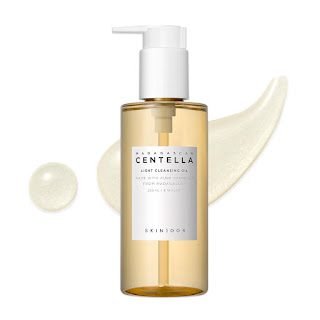
2. skin1004 madagascar centella ampoule
$14.41 · $4.26 per fl oz · 4.7★ · 9,448 reviews · amazon’s choice · best for calming redness in the moment

where the aestura cream rebuilds structure, the skin1004 madagascar centella ampoule is doing something different, it’s an anti inflammatory first aid step. centella asiatica is loaded with compounds like asiaticoside and madecassoside that calm visible redness and support wound healing at the surface, and this formula keeps the ingredient list short so there’s nothing extra to irritate an already angry face. it’s actually the highest-rated product on this entire list, 4.7 stars across close to 9,500 reviews at just over $14. the texture is genuinely watery and fast absorbing, not sticky at all, so it layers under anything without pilling. i found this one genuinely effective for calming redness on my own skin without any irritation, plus a noticeable glow with hydration that lasted through the day, though results like this will vary by skin type. worth flagging, this is surface level, anti inflammatory calming, not a structural rebuild like the aestura cream above, so pair the two if your barrier needs both. think of it as the “911” ampoule, and the aestura cream as the long term renovation.
3. purito panthenol 10% cream
$18.00 (was $23.00, -22%) · $5.33 per fl oz · 4.5★ · 3,761 reviews · best for everyday moisture balance


purito’s panthenol 10% cream is built around a high concentration of panthenol, pro vitamin b5, and its whole job is cushioning the skin and keeping moisture from evaporating, without the heaviness of a true barrier repair cream like the aestura. this is the one you reach for on a normal day when your skin isn’t inflamed or damaged, just a little dehydrated and tight. panthenol has research behind it for helping skin retain moisture and supporting the barrier’s own repair process, so this isn’t just a temporary plump and go, it supports the same goal as the aestura cream, just gently and gradually instead of intensively. i found this one honestly perfect for my oily and combination skin, deeply hydrating without feeling heavy, silky texture, and it left my skin soft without any breakouts, lightweight enough that i reach for it daily and it’s worth the price. at $18, currently 22% off the $23 list price, it’s an easy daily layer for combination and normal skin types especially.
4. cosrx advanced snail 96 power mucin essence
$18.50 (was $25.00, -26%) · $5.47 per fl oz · 4.6★ · 106,232 reviews · best for recovering rough texture post-actives


cosrx’s advanced snail 96 power mucin essence is 96% snail secretion filtrate, and its lane is comforting skin that feels rough, overworked, or “sandpapery,” the texture you get after too much retinol, exfoliation, or just winter air, without clogging pores in the process. this is by far the most-reviewed product on this list, over 106,000 amazon reviews at 4.6 stars, though it’s worth being honest that clinical research on snail mucin specifically is still limited compared to ceramides or centella, most of the evidence here is anecdotal and reviewer-reported rather than clinically established. unlike the centella ampoule which targets redness, or the panthenol cream which targets moisture cushioning, this one is about smoothing rough, uneven texture and giving overworked skin a break, and it’s non comedogenic enough to layer even if you’re breakout prone. i personally found it suitable for my sensitive, acne prone skin, not sticky or greasy at all, though i’ll be transparent, some users do report breakouts as a side effect, so if you’re acne prone like me, patch test first and introduce it slowly rather than daily right away. at $18.50, currently 26% off the $25 list price, it slots in as a recovery step a few times a week rather than a daily must, save it for after the nights your actives were a little too ambitious.
how to actually layer these into your routine
morning: gentle cleanser, purito panthenol cream, then sunscreen. keep it simple, mornings are for maintenance, not treatment.
evening, calm nights: cleanser, skin1004 centella ampoule if skin feels reactive or red, then aestura cream to seal everything in as your last step.
evening, recovery nights: cleanser, cosrx snail mucin essence a few times a week if texture feels rough post-actives, then either the purito cream or aestura cream depending on how compromised your barrier feels that night. most people do well rotating these rather than using all four daily.
who should skip these
skip the cosrx snail essence if you’re highly sensitive to trying new proteins on skin or have had a snail allergy reaction before, though this is rare.
if you’re using retinoids or acid exfoliants elsewhere in your routine, introduce any of these one at a time rather than all four at once, so you can actually tell what’s working and what isn’t.
🛒 all products, quick links
faq, korean skin barrier repair
what’s the difference between a barrier cream and a soothing ampoule?
a barrier cream, like the aestura, rebuilds the physical lipid structure of your skin using ceramides. a soothing ampoule, like the skin1004 centella, calms inflammation and redness at the surface. you often need both, the ampoule for the flare up, the cream to prevent the next one.
can i use all four of these products together?
not all on the same day. rotate them based on what your skin needs that night rather than layering all four every time, see the routine section above for a suggested split.
how long does it take to repair a damaged skin barrier?
most people see meaningful improvement in 2 to 4 weeks of consistent, gentle care. if you’re still reactive after 6 weeks, it’s worth checking in with a dermatologist rather than layering on more products.
does snail mucin actually work, or is it just a trend?
the honest answer is somewhere in between. it’s genuinely non-comedogenic and widely tolerated, and reviewer feedback is strong, but the clinical research base is thinner than for ceramides or centella asiatica, so treat it as a nice-to-have texture step rather than a core repair ingredient.
what’s the best gentle cleanser to pair with a skin barrier repair routine?
look for a low-ph, non-foaming or lightly foaming cleanser that doesn’t leave skin feeling tight afterward. if your current cleanser leaves your face squeaky clean, that squeak is your barrier being stripped, not a sign it’s working.
sources
ceramides and barrier function: cleveland clinic
centella asiatica research: cleveland clinic
panthenol mechanism: cetaphil
snail mucin evidence and limitations: goodrx, curology
product pricing, ratings, and review counts: amazon listings, checked at time of writing
want the full step by step barrier repair routine?
grab the free amsib♡ guide, order of application, how often to use each step, and what to skip if your skin is already stressed.