💌 heads up: this post has affiliate links, amazon. if you buy through them, amsib♡ earns a small commission, no extra cost to you. this is general skincare information, not medical advice.
skincare pillar · ingredients
snail mucin: the ingredient that sounds disgusting but actually works
most posts about snail mucin benefits skin cite “clinical studies” and move on without linking a single one. the actual research is more specific and more interesting than that, a lot of the strongest human trial data is on secretion from one particular snail species, sold under prestige dermatology brand names, not necessarily the same thing every $15 k-beauty serum lists on its label.
that distinction doesn’t mean snail mucin doesn’t work, it does, in multiple real trials. it just means the full picture is more specific than “snails are good for skin,” and almost nobody bothers to explain it.
snail mucin benefits skin in ways that are genuinely backed by published research, not just k-beauty marketing. the ingredient list reads strange, snail secretion filtrate, but the actual composition is glycoproteins, hyaluronic acid, allantoin, glycolic acid, and antimicrobial peptides, all things skincare already uses on their own.
this isn’t another “snail mucin is amazing” post. it’s a look at what the actual clinical research says, the specific nuance most content skips, and who genuinely benefits from it versus who can skip it.
the basics
what snail mucin actually is
snail mucin, listed on ingredient labels as snail secretion filtrate, is the mucus snails produce to protect and repair their own skin as they move across rough surfaces. it’s harvested by placing snails in a stress-free environment that encourages natural secretion, then filtering and purifying it for use in skincare.
the composition is the actual reason it works, not the novelty. it contains glycoproteins, hyaluronic acid, allantoin, glycolic acid, antimicrobial peptides, and growth-factor-like compounds. each of those individually has a track record in skincare, hyaluronic acid for hydration, allantoin for skin regeneration, glycolic acid as a mild exfoliant. snail mucin is essentially several known-effective ingredients occurring together naturally, which is also why it tends to sit in the essence or serum step of a routine, after toner, doing more concentrated repair work than a lighter essence or toner is built for.
the research
the study nobody links to
a 2023 systematic review in the journal of integrative dermatology pulled together 10 human clinical trials on snail-derived skincare products. across those trials, the results consistently showed improved skin hydration, reduced transepidermal water loss (the rate skin loses moisture through its surface), better elasticity and firmness, and antimicrobial activity.
most of the strongest trials in that review used secretion from cryptomphalus aspersa, a specific snail species, formulated into prestige products sold under names like endocare and tensage. one split-face trial found significantly reduced transepidermal water loss and erythema after just 3 weeks. a separate open-label trial found a 53% reduction in skin roughness and a 39% increase in elasticity by week 12. that’s real, measured data, but it’s data on a specific branded formulation, not a blanket finding that applies identically to every snail mucin product on amazon. the full systematic review is worth reading if you want the actual studies, not a paraphrase of a paraphrase.
a smaller, separate study published in the korean journal of dermatology tested a cream containing snail mucus on 10 subjects over 4 weeks, and found statistically significant improvement in wrinkles, elasticity, dermal density, and skin tightening. a small sample size, but a real, peer-reviewed result, not an anecdote.
one study in the systematic review is specifically relevant if you deal with breakouts, not just aging. a randomized, placebo-controlled trial tested a snail secretion filtrate serum on mask-related acne (commonly called “maskne”) and found a 31.4% reduction in inflammatory acne lesions over 12 weeks, compared to a 2.48% increase in the placebo group. that’s a meaningfully different result, not a rounding error.
for a more accessible, non-technical summary of the same territory, mayo clinic press covers the basics of what snail mucin is and why it earned its reputation in the first place.
who it’s for
who actually benefits from snail mucin
this is where the clinical evidence is strongest, hydration, reduced transepidermal water loss, and improved elasticity all show up repeatedly across the studies above. this is the group snail mucin was genuinely built for, and it’s exactly the hydration-first thinking behind a proper glass skin routine, not a coincidence that the two overlap so much.
the maskne trial specifically showed a meaningful reduction in inflammatory acne lesions. this isn’t a claim that snail mucin cures acne, it’s a specific, measured result for inflammation reduction in a mask-related acne context, and inflammation like that is often a barrier issue underneath, worth a look at our skin barrier repair routine if breakouts keep coming back in the same spots.
snail mucin serums can feel slightly tacky or occlusive on very oily skin, especially in humid weather. it’s not unsafe, but it’s worth patch testing before committing to a full-size bottle if oiliness is already a concern, and pairing it with an oil-regulating step like niacinamide earlier in the routine tends to balance out that heavier feel.
if you’re curious
if you want to try it
none of this is a ranked list, just a few reasonable, budget-friendly starting points if you want to see what the research above is actually describing.
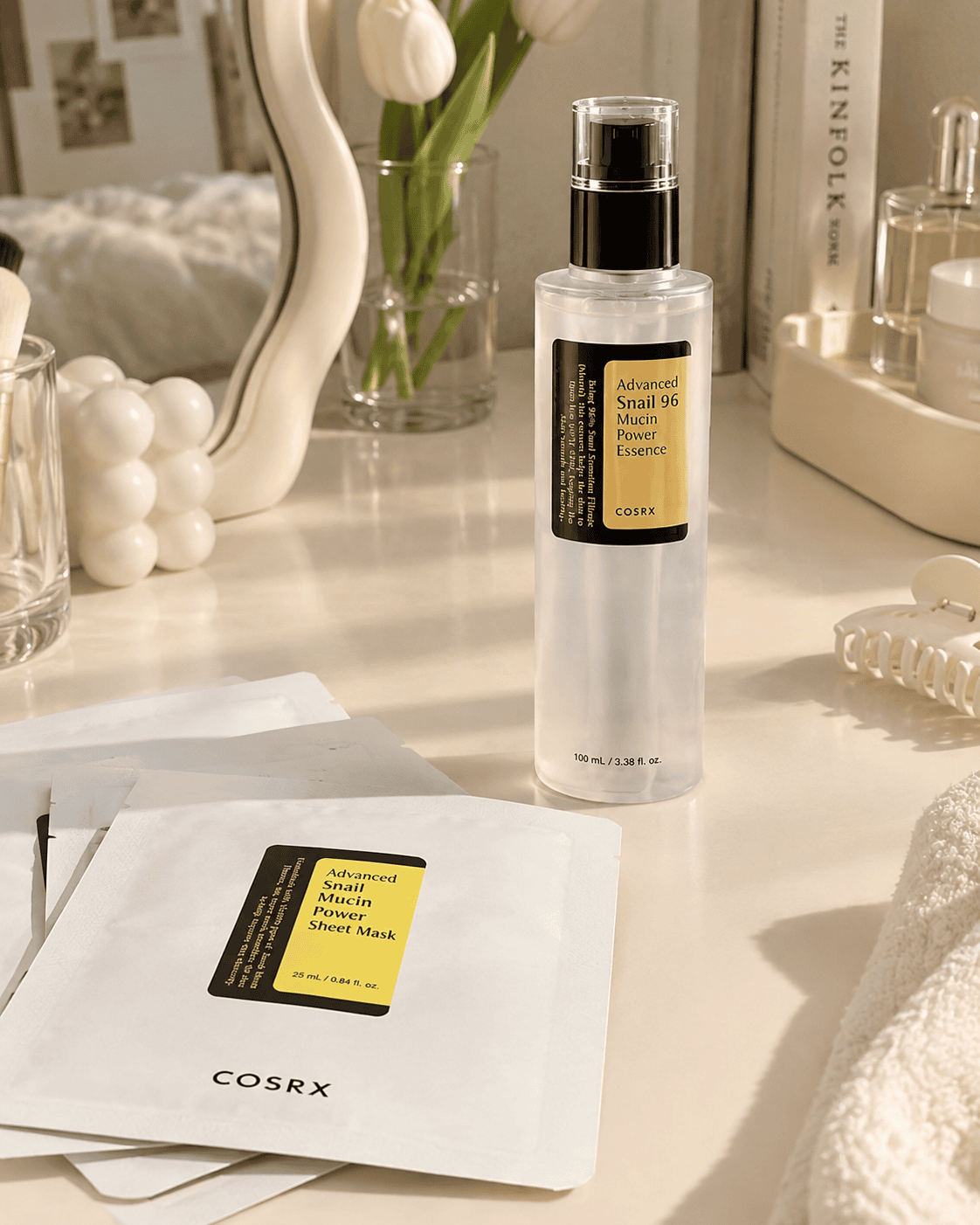
a straightforward, high-percentage snail mucin serum, a reasonable first bottle for rough texture recovery after actives, non-comedogenic, though acne-prone skin should still patch test first.
an easy, low-commitment way to try the ingredient without buying a full serum, one sheet mask session gives a reasonable sense of how skin responds before a bigger purchase.
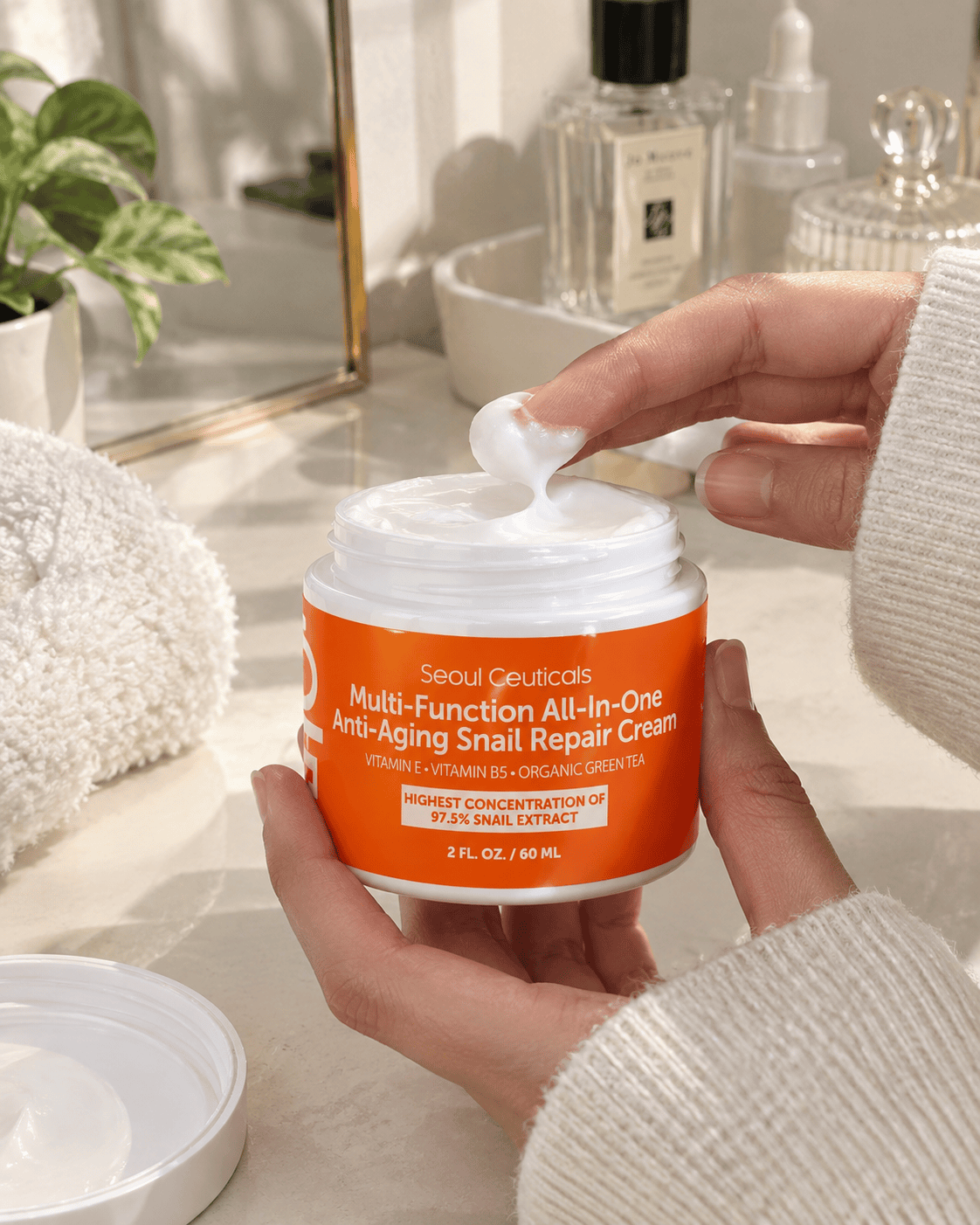
a moisturizer format rather than a serum, worth considering if a lightweight serum feels insufficient for dry or aging-concerned skin specifically.
want more ingredient breakdowns like this?
the amsib newsletter sends new skincare and beauty finds straight to your inbox, no fluff.
sources
systematic review, 10 clinical trials on snail-derived skincare: journal of integrative dermatology
cream containing snail mucus, anti-aging effects: korean journal of dermatology
general overview: mayo clinic press
people also ask
faq, snail mucin benefits skin
q. what is snail mucin?
snail mucin, listed as snail secretion filtrate on ingredient labels, is the mucus snails produce to protect their own skin. it contains glycoproteins, hyaluronic acid, allantoin, glycolic acid, and antimicrobial peptides.
q. what are the actual benefits of snail mucin for skin?
published clinical trials show improved hydration, reduced transepidermal water loss, better elasticity and firmness, reduced fine lines, and antimicrobial activity. one trial also showed a meaningful reduction in inflammatory acne linked to mask-wearing.
q. is snail mucin actually backed by science, or is it just a k-beauty trend?
it’s backed by real published research, a 2023 systematic review covered 10 human clinical trials, and a separate korean journal of dermatology study found statistically significant results on wrinkles and elasticity. the caveat is that a lot of the strongest data is on one specific snail species’ secretion, not every snail mucin product equally.
q. is snail mucin safe for acne-prone skin?
generally yes, and one clinical trial specifically found it reduced inflammatory acne linked to mask-wearing. it’s still worth patch testing, since texture can feel slightly occlusive on very oily skin.
q. is snail mucin cruel to the snails it comes from?
it depends on the harvesting method. modern, reputable methods place snails in a stress-free environment to encourage natural secretion without harm, but sourcing standards vary by brand, and it’s worth checking a specific brand’s practices if this matters to you.
q. how long does it take to see results from snail mucin?
clinical trials showing measurable results generally ran 4 to 12 weeks of consistent use. some effects, like immediate hydration, are noticeable right away, but improvements in elasticity, texture, and fine lines take weeks of regular use to show up.